
Block plate heat exchanger
HEXCBLOC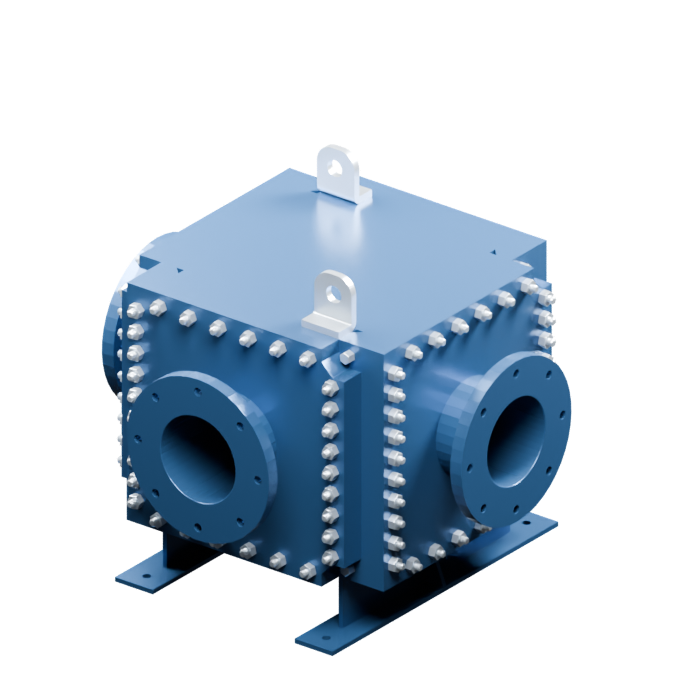
Welded metal joint
CLEANING ACCESSRemove side panels
Access to channels; the core stays welded.
Cleaning in place is also possible.Compact heat transfer with no interplate gaskets, engineered for demanding temperature, pressure and process-fluid conditions.
Engineered for new installations and replacement of existing welded block heat exchangers.
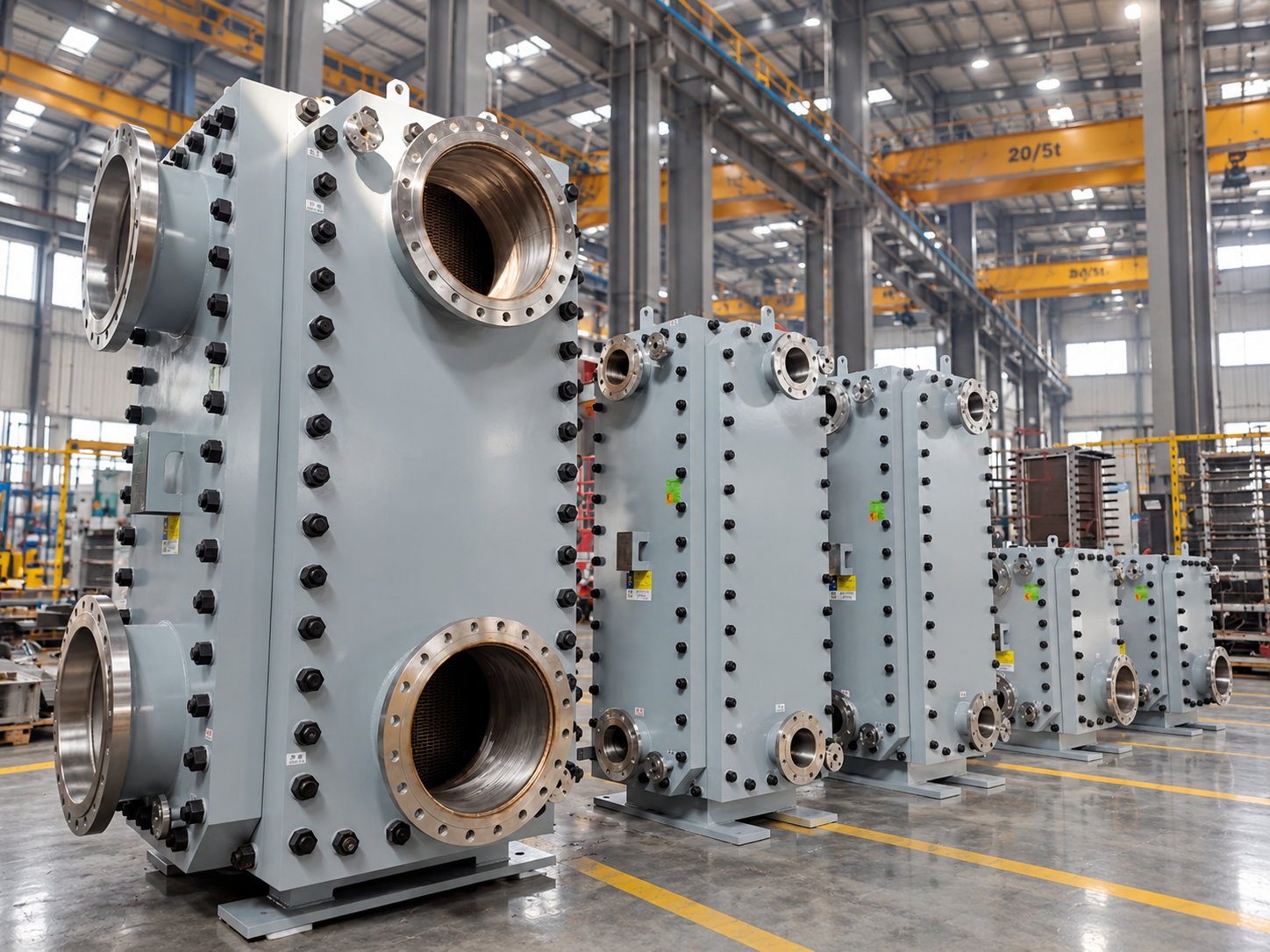
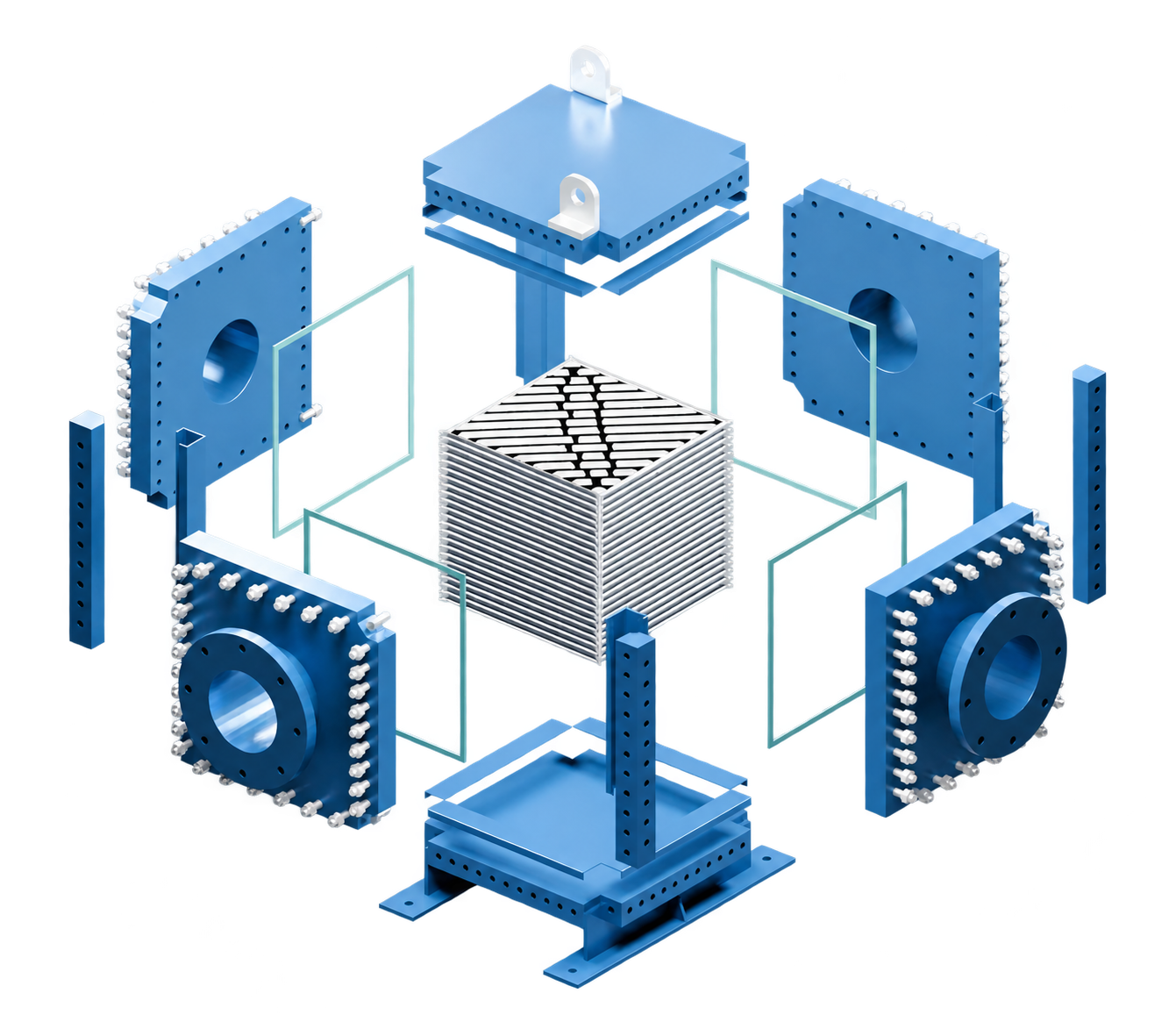
HEXCBLOC is PANSTAR’s fully welded plate heat exchanger. Corrugated metal plates form a compact block with separate channels for hot and cold fluids. Heat passes through the plates without mixing the two streams.
The laser-welded core has no interplate gaskets. Removable side panels provide access to both fluid sides for inspection and mechanical cleaning.
Explore the TechnologyCompare welded channels and plate gaskets, design limits and cleaning access.
Access to channels; the core stays welded.
Cleaning in place is also possible.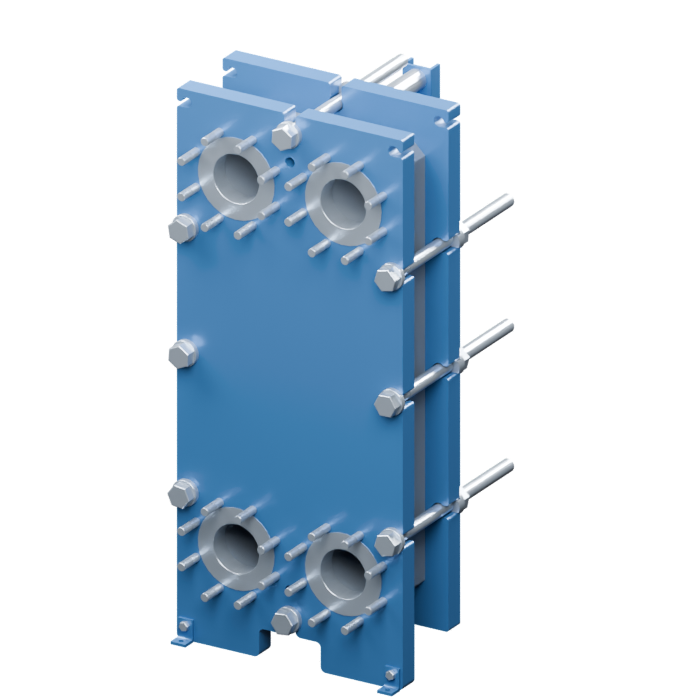
Access to individual plate surfaces.
Cleaning in place is also possible.Compare compact block construction, equipment footprint and the space needed for inspection and cleaning.
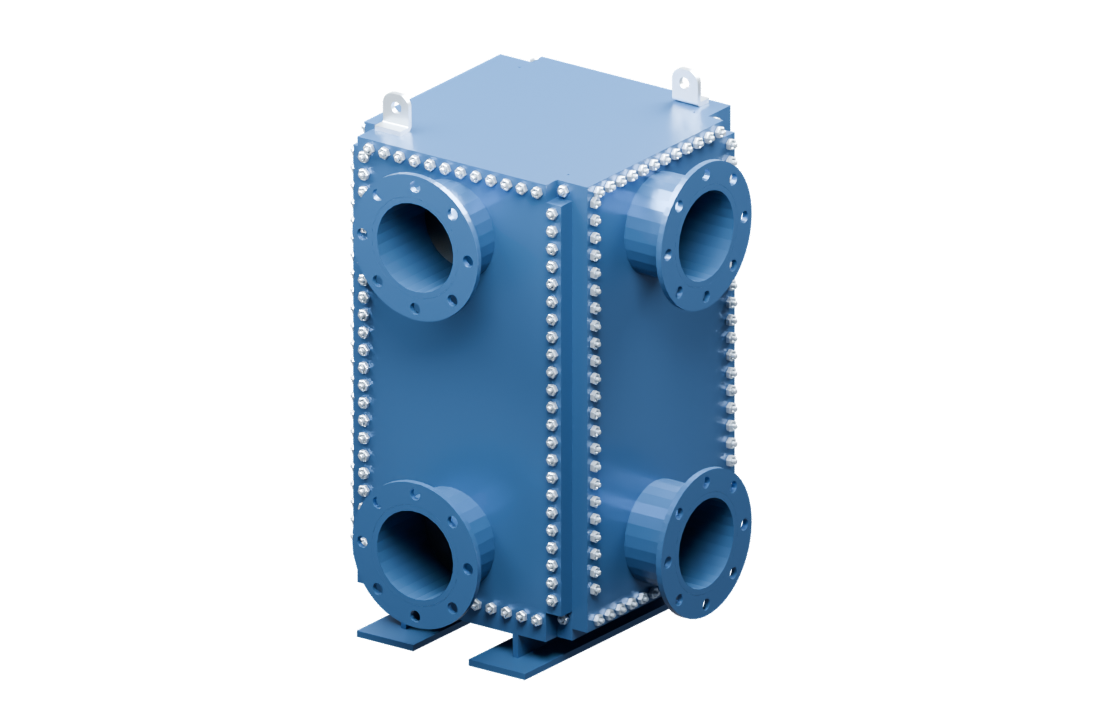
Access both fluid sides for inspection and suitable mechanical cleaning.
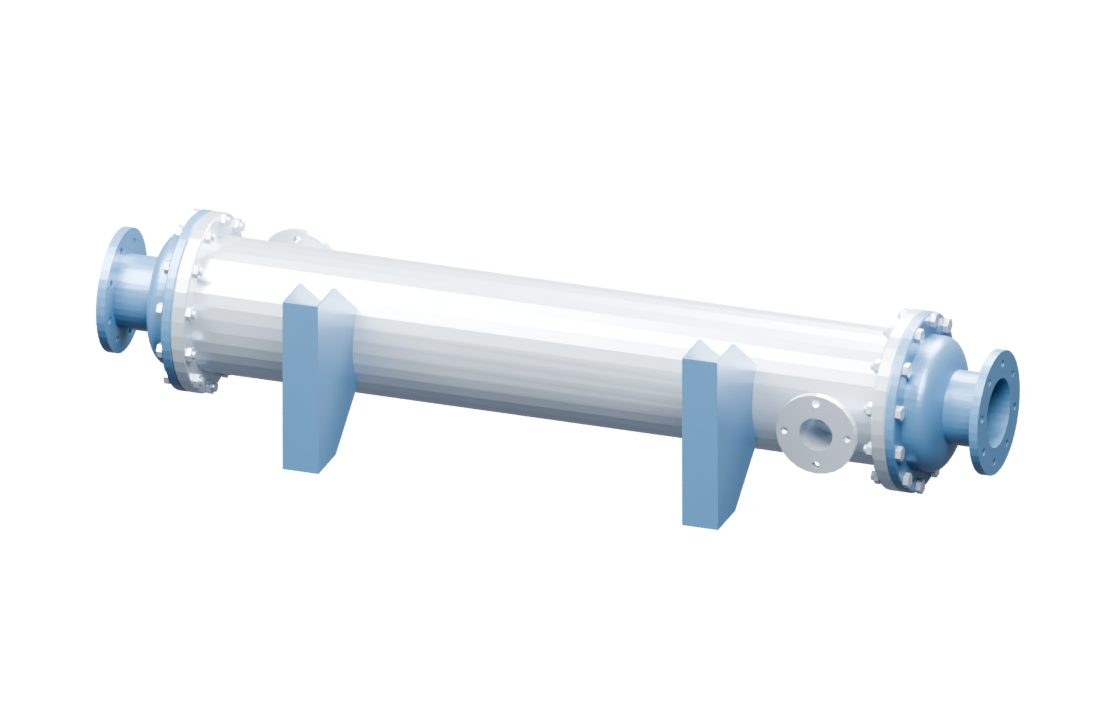
Tube-side access through heads; bundle withdrawal applies to removable-bundle designs.
Process vapour · Steam condensation · Solvent recovery · Overhead condensers
Reboilers · Process evaporation · Distillation duties · Thermosiphon service
Liquid-to-liquid · Process heating & cooling · Heat recovery · Energy recovery
Typical industries: Chemical · Petrochemical · Refining · Energy · Pulp & Paper
Recover heat from hot process streams in a compact unit. Welded plate channels reduce reliance on elastomer gaskets; removable panels provide cleaning access.
Compact heat-transfer area supports capacity upgrades in crowded process units. Flow arrangement and pressure drop are selected for each liquid or vapour duty.
Consider welded channels where process temperature or chemical compatibility limits plate gaskets. Plate alloy and panel seals must match the fluid composition and concentration.
Compare the model sizes, then define the plate pack and connections around your process duty.
| Model | Maximum dimensions (A × A × B), mm | Standard pressure, bar | Temperature range, °C |
|---|---|---|---|
| HEXCBLOC 15 ↗ | 280 × 280 × 540 | FV–32 | −40–300 |
| HEXCBLOC 20 ↗ | 430 × 430 × 730 | FV–32 | −40–300 |
| HEXCBLOC 30 ↗ | 500 × 500 × 1,070 | FV–32 | −40–300 |
| HEXCBLOC 40 ↗ | 600 × 600 × 1,400 | FV–32 | −40–300 |
| HEXCBLOC 50 ↗ | 840 × 840 × 2,050 | FV–32 | −40–300 |
| HEXCBLOC 75 ↗ | 1,240 × 1,240 × 3,600 | FV–32 | −40–300 |
| HEXCBLOC 120 ↗ | 2,190 × 2,190 × 3,500 | FV–32 | −40–300 |
FV = full vacuum · A × A × B = maximum overall dimensions
AISI 304L / 316L · Titanium · 904L · 254 SMO · Alloys selected for the medium
Graphite / PTFE, selected for operating conditions.
Review a replacement against the existing duty, heat-transfer area, installation dimensions, nozzle arrangement, design conditions and materials.
Datasheet · Nameplate · GA drawing · Heat-transfer area
Operating conditions · Nozzle locations · Overall dimensions · Material requirements
Review the welded core, materials and interfaces with the retained casing. Retained components require inspection.
Plate-pack assessmentMatch duty, design conditions, nozzle layout, supports and service space.
Compabloc replacement engineeringComplete-unit alternatives only. K°Bloc core interchange is not offered.
Complete-unit assessmentYes. Share the hot- and cold-side conditions, heat load and site requirements. You can start with a process datasheet or a description of the duty; an existing equipment model is optional.
The removable panels provide access for inspection and mechanical cleaning. A suitable cleaning method and interval depend on the deposits, fluid and operating instructions. Space for maintenance should be allowed in the layout.
Share fluids, flow rates, temperatures, pressures and allowable pressure drops for engineering review and selection of a suitable HEXCBLOC configuration.


