
Documented service / 24 workshop photographs
Compabloc Plate Pack Repair & Gasket Replacement
Restoring sealing integrity in a C8 aromatics heat-recovery exchanger
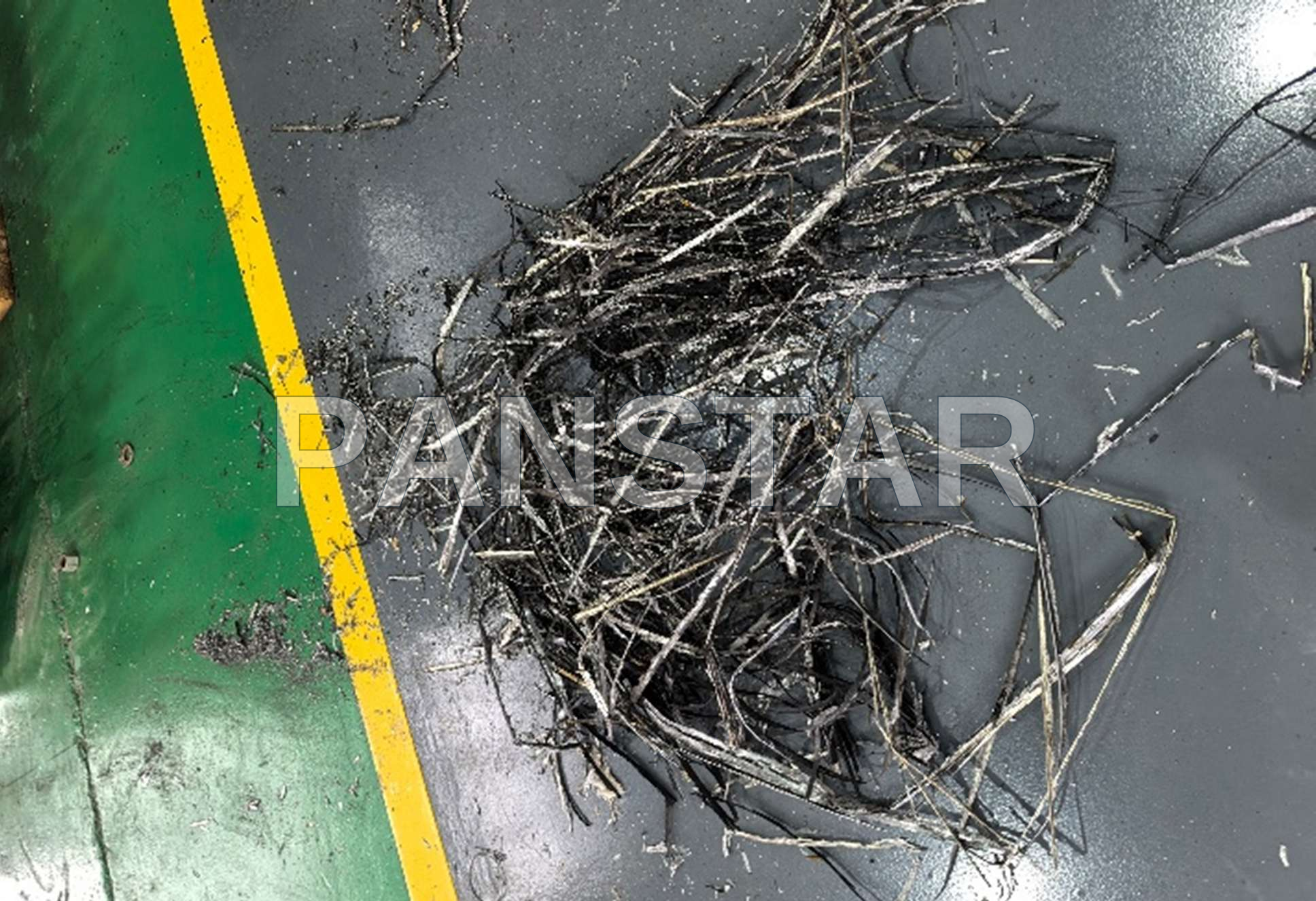
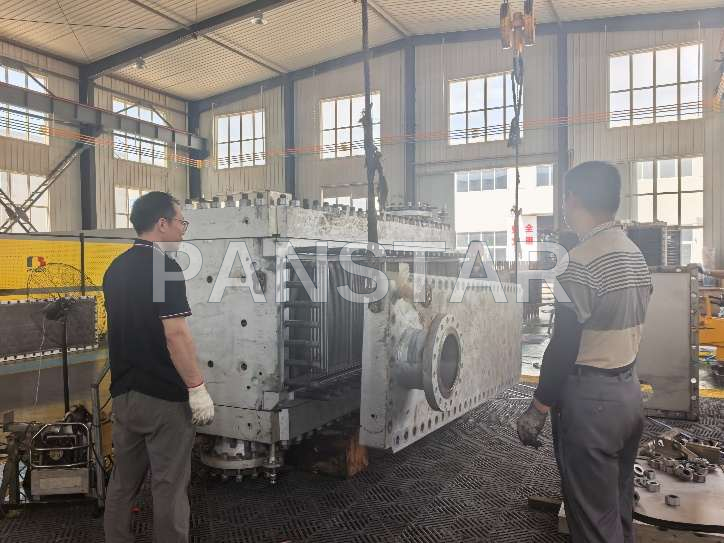
During a planned shutdown, a vertically installed Compabloc CPX75-V-500 exchanger was returned to PANSTAR for inspection and service. The unit was used for C8 aromatics heat recovery at a petrochemical facility in China. External leakage had left visible traces around the support area, while fragments of crushed gasket material were visible at the panel joints.
Inspection identified damaged panel gaskets and deformation at the plate-pack sealing corners. The documented service focused on repairing the existing plate pack, renewing the complete gasket set and reassembling the exchanger. The original plate pack was retained.
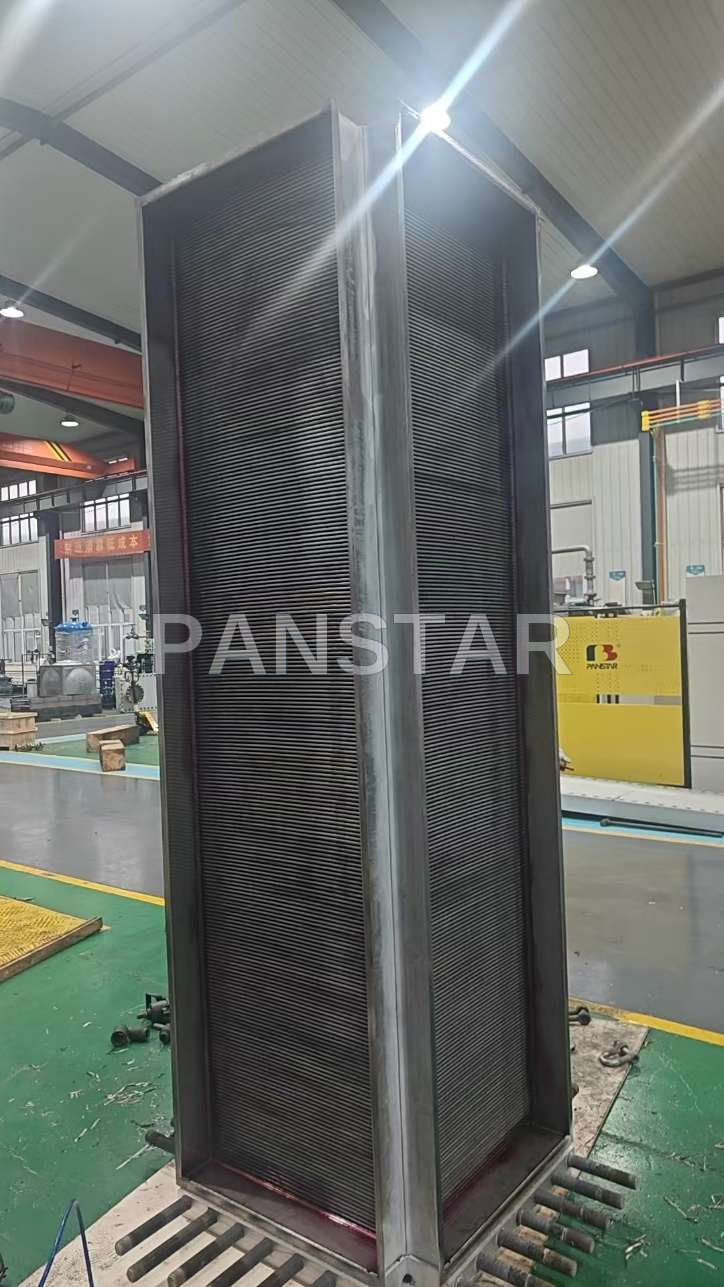
01 / Arrival and dismantling
Tracing the external leakage
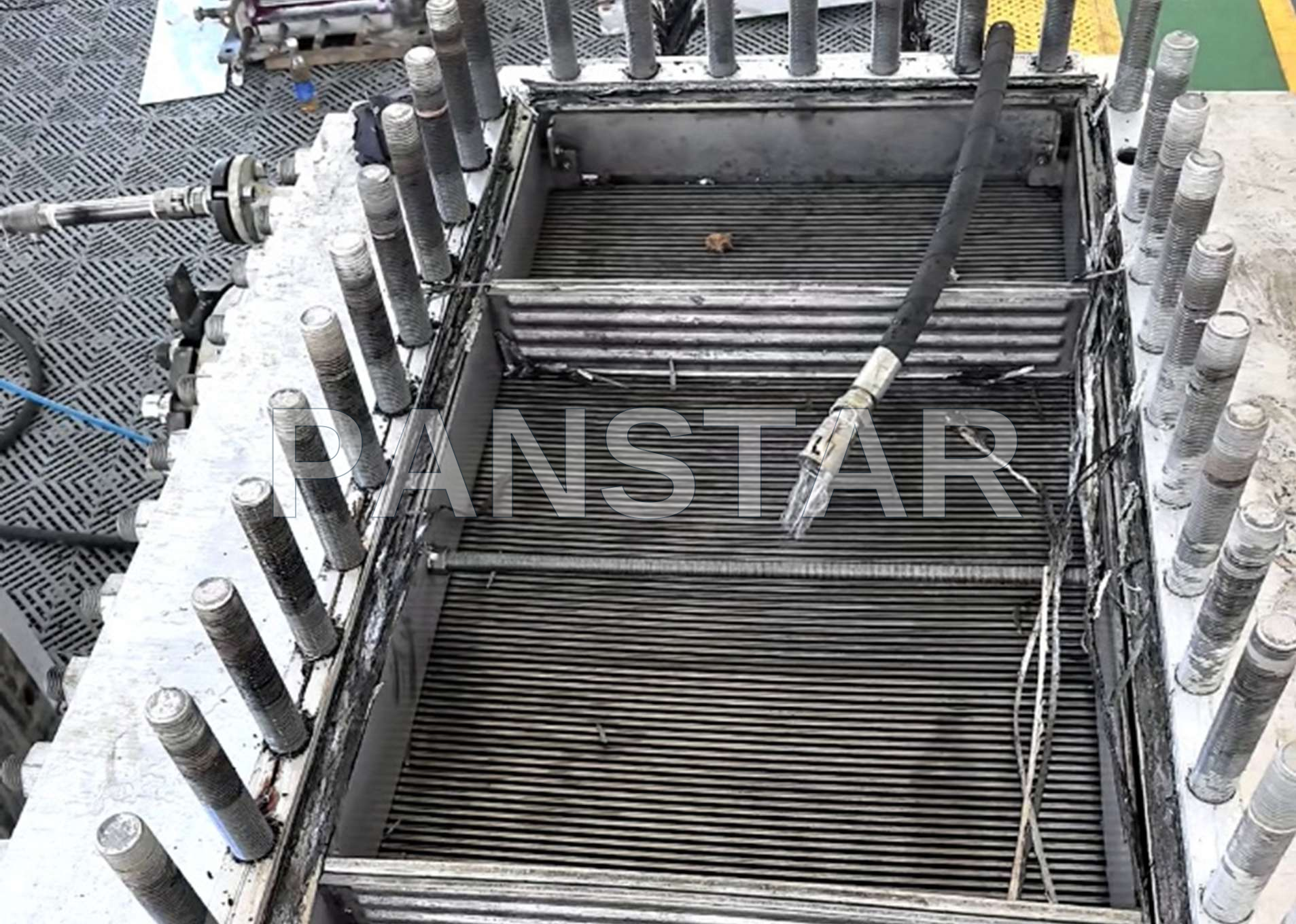
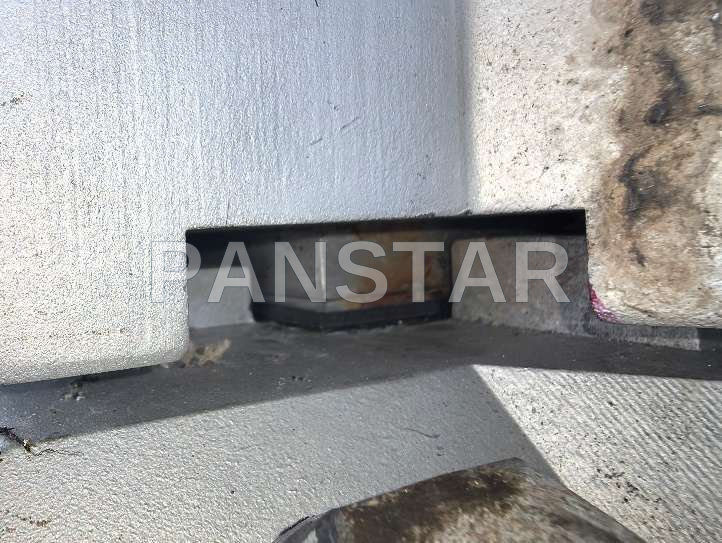
PANSTAR removed the panels, baffle assemblies and frame to expose the sealing interfaces and inspect the welded core. The original gaskets had broken into fragments. All 16 sealing corners showed deformation, making the condition of the sealing surfaces a central part of the repair assessment.
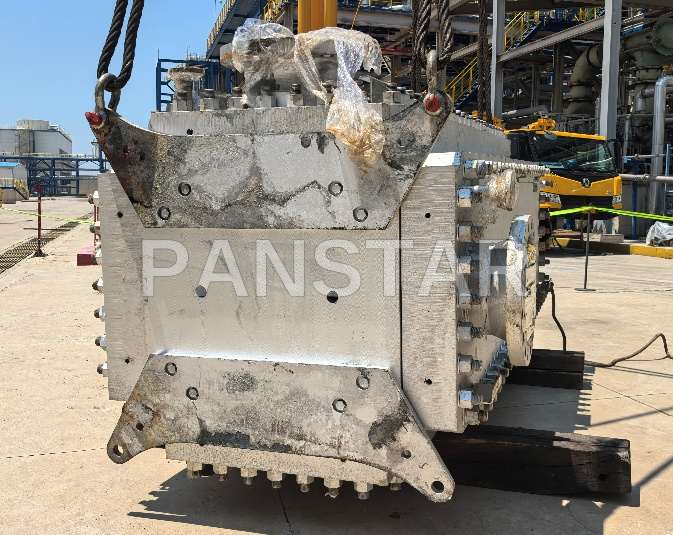
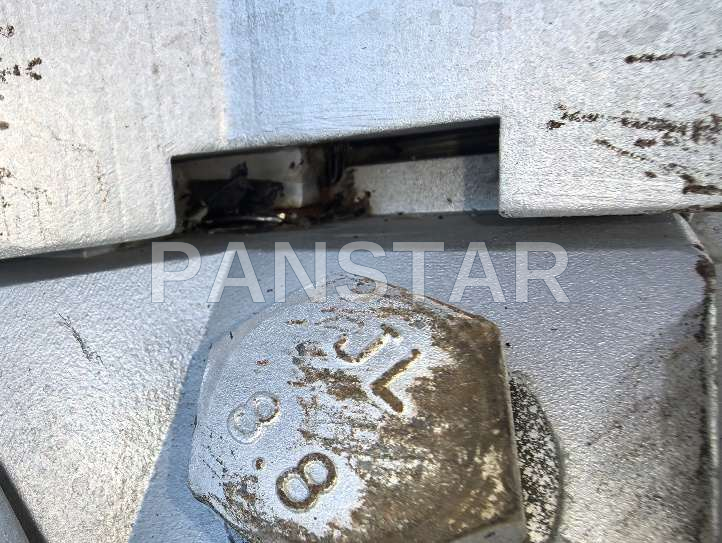
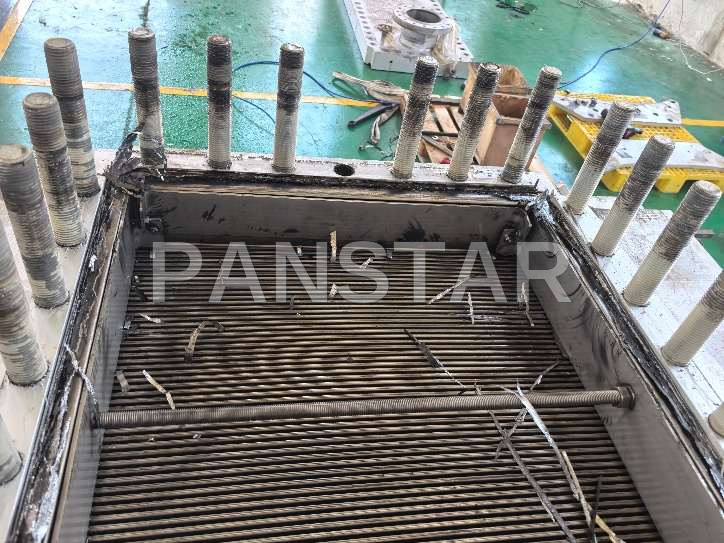
02 / Core assessment
Opening the unit. Checking the core.
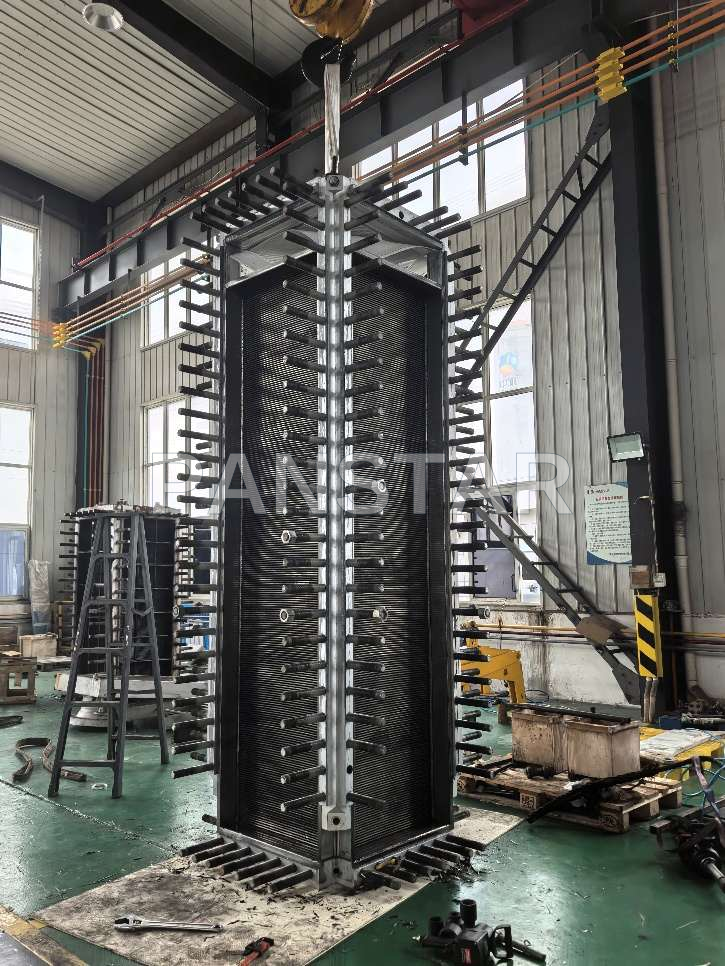
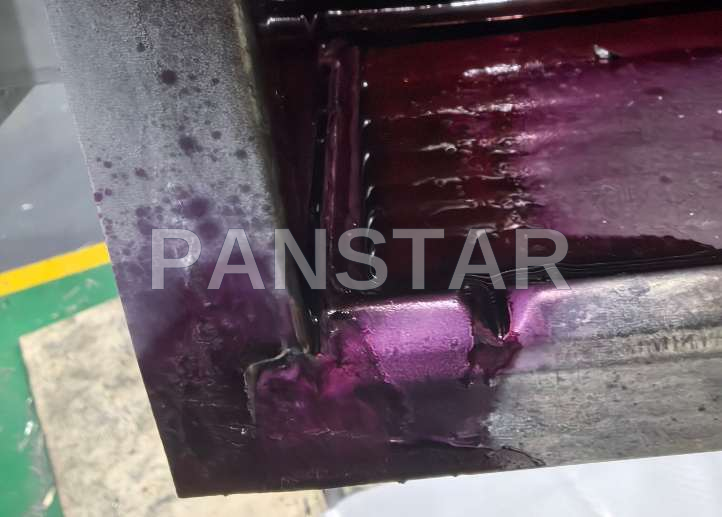
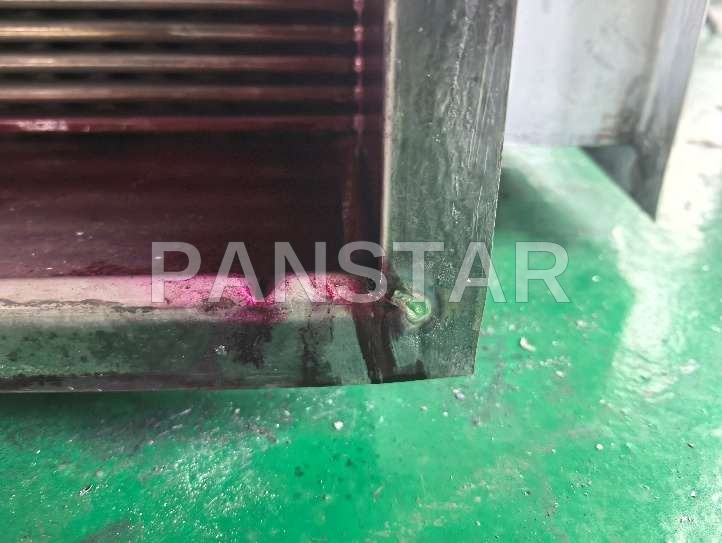
Dye-penetrant inspection did not identify cracks in the core that would explain the leakage. A separate bubble test also found no internal leakage. These findings supported a repair scope directed at the damaged sealing corners and panel gaskets, rather than replacement of the complete plate pack.
03 / Sealing-corner repair
Repairing the damaged sealing interfaces
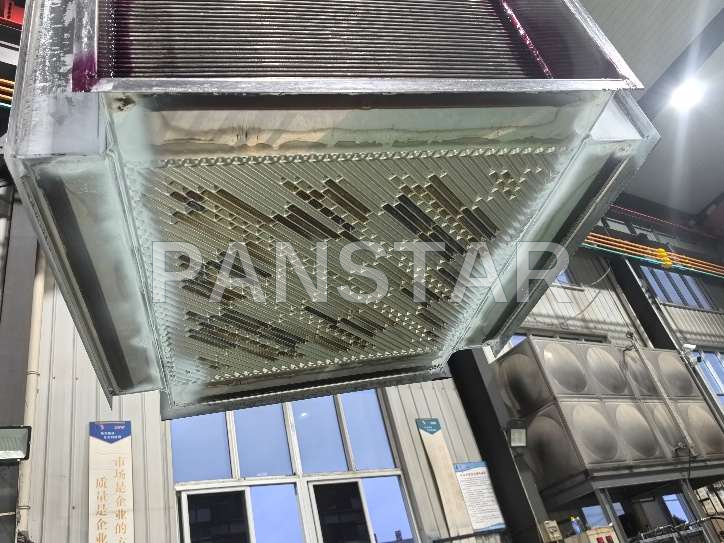
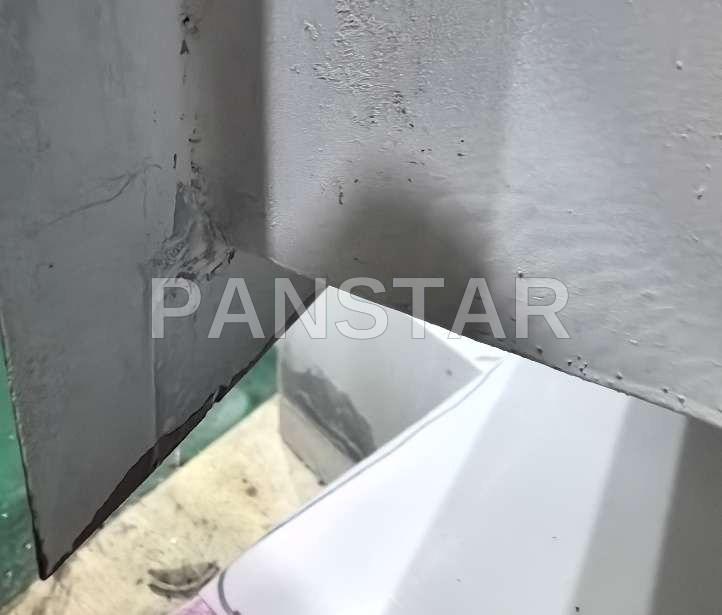
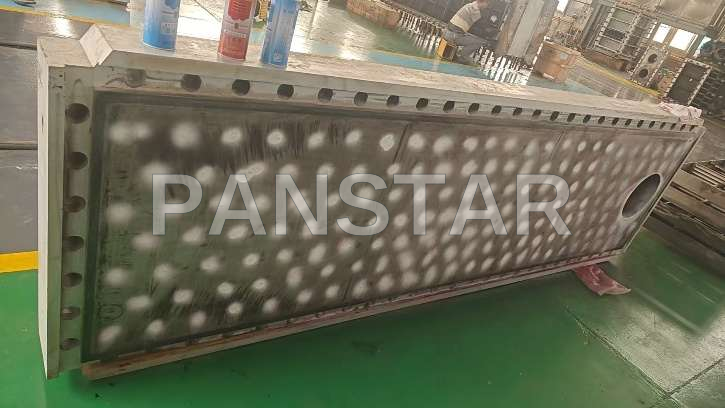
All 16 sealing corners showed similar deformation. The repair scope covered eight corners on each side. Local argon-arc welding and surface finishing were used to restore the damaged corner areas.
04 / Surface and lining checks
Examining the repaired surfaces
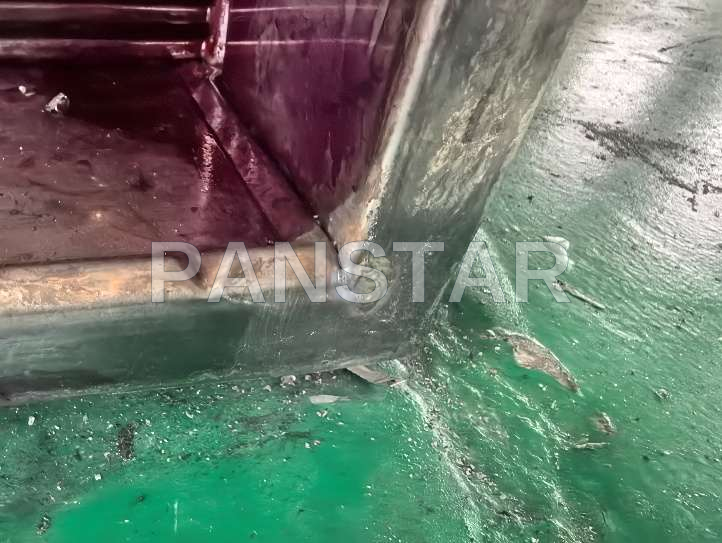
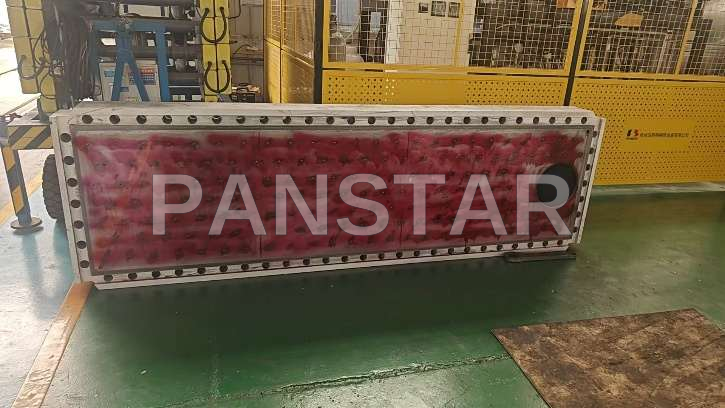
The repair team carried out argon-arc weld repairs at 16 deformed corners and ground the repaired areas flat. The report records dye-penetrant checks for external leakage and inspection of the panel linings. The frame and baffle assemblies were then refitted, the sealing faces were cleaned and the complete set of panel gaskets was replaced.
05 / Gasket replacement
Rebuilding around the retained plate pack
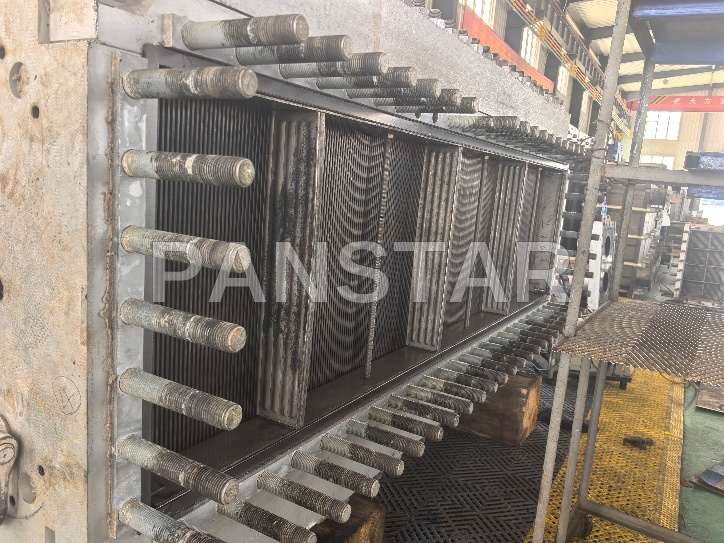
The existing plate pack remained in service scope. The frame and baffle assemblies were refitted, the sealing faces cleaned and the complete panel-gasket set renewed before the panels were installed.
06 / Controlled reassembly
Tightening in three passes
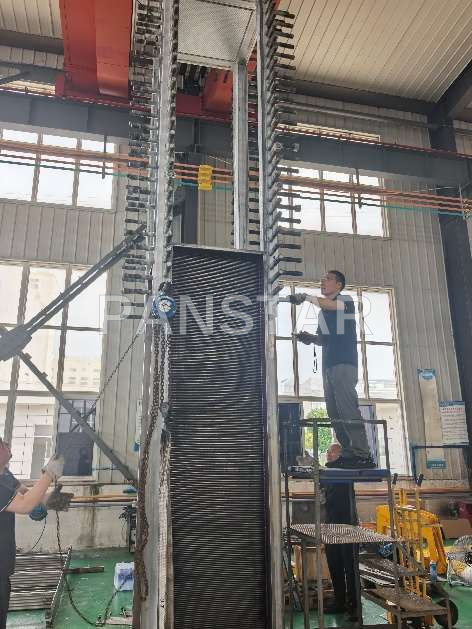
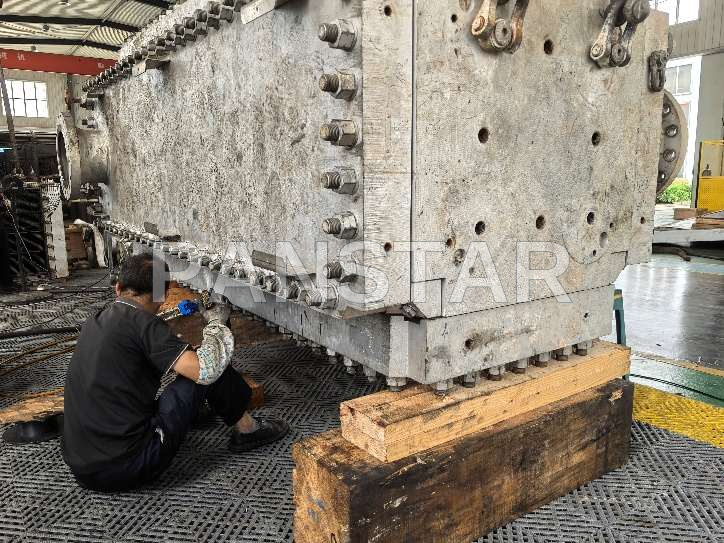
After panel refitting, the bolts were tightened in three controlled torque passes using hydraulic tooling. The team checked the assembled gasket compression; the report records that the new gaskets remained intact and were not crushed. Torque settings and the tightening sequence were specific to this serviced unit.
The findings reinforced a practical maintenance lesson: external leakage calls for inspection of both the gaskets and the sealing faces. Once the corners are deformed and the gaskets are fragmented, additional bolt tightening does not address those physical defects. In this case, restoring the sealing interfaces formed part of the work alongside gasket replacement.
07 / Hydraulic testing
Documented test acceptance
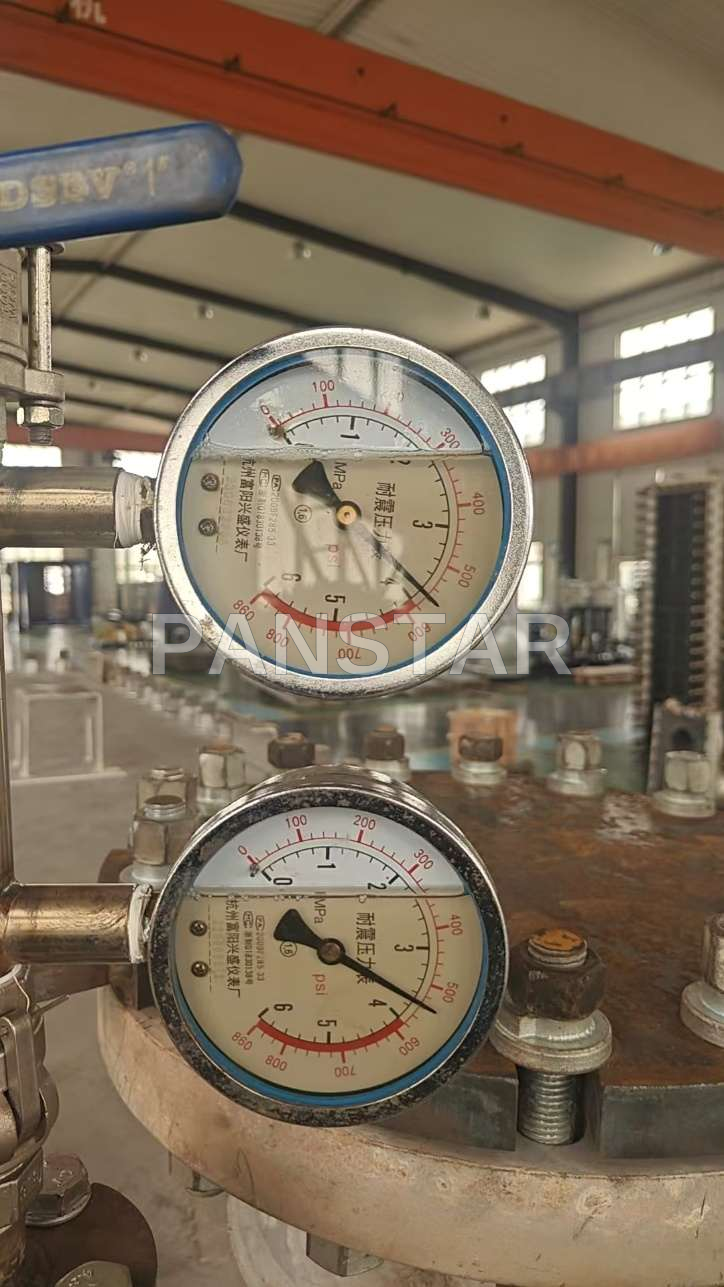
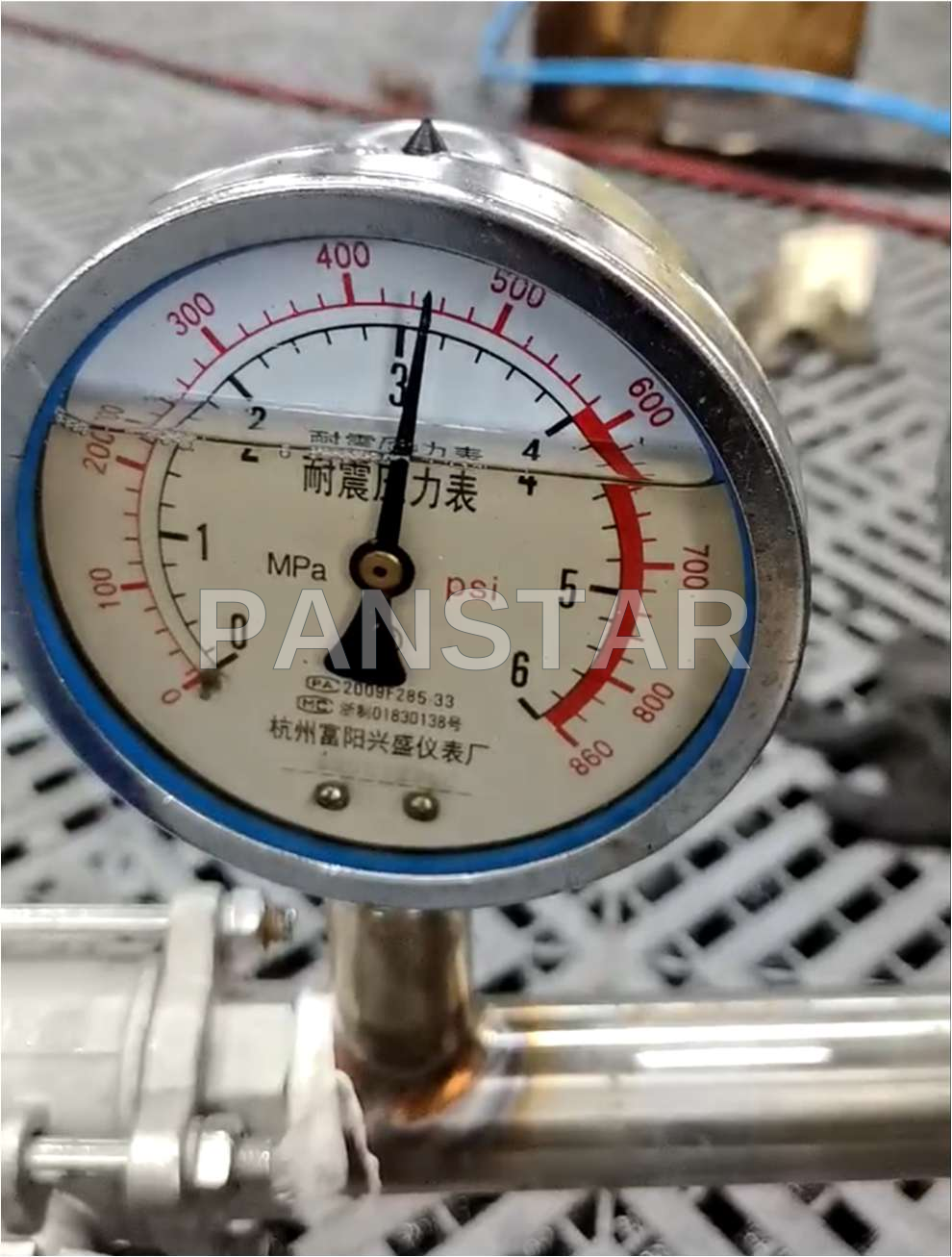
Following reassembly, both circuits underwent hydrostatic testing. The hydraulic test report records demineralized water with chloride content below 10 ppm, gradual pressure increase and a 30-minute hold on each side. Both sides were recorded as accepted.
| Circuit | Test pressure | Hold time | Result |
|---|---|---|---|
| Hot side / A | 38.0 bar | 30 minutes | Accepted |
| Cold side / B | 31.0 bar | 30 minutes | Accepted |
These are the recorded test conditions for this serviced exchanger.
08 / Completion and dispatch
Tested, repainted and prepared for dispatch
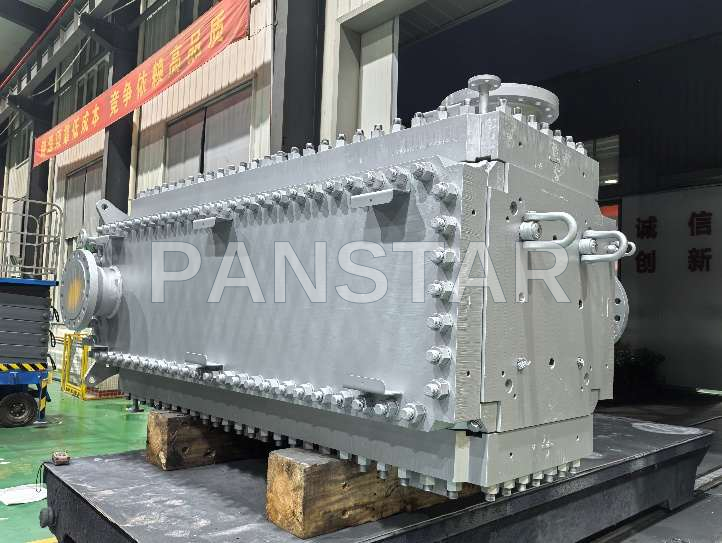
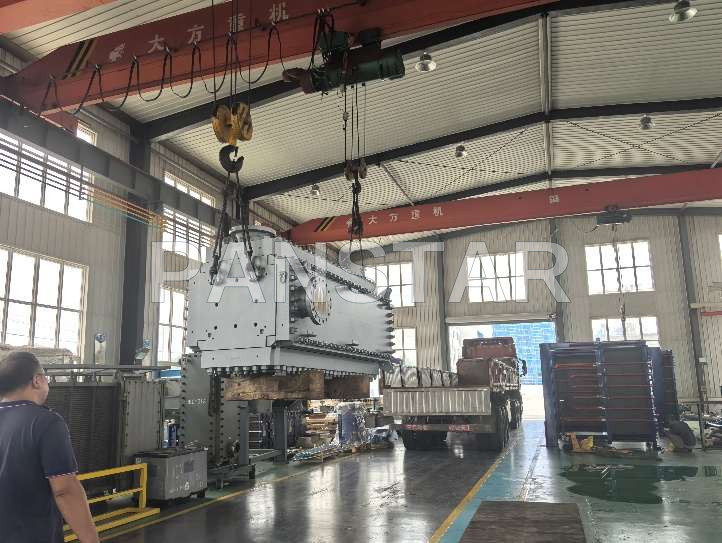
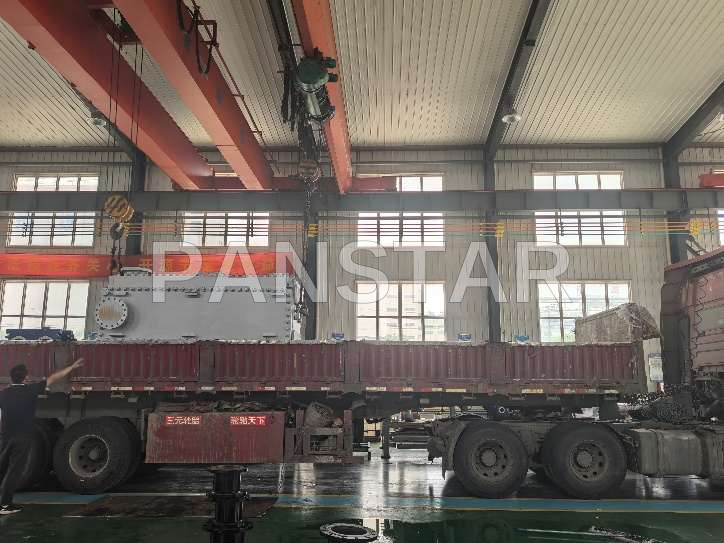
The exchanger passed the documented post-repair hydraulic tests, was repainted and was prepared for dispatch. The completed scope retained the existing plate pack while restoring the damaged sealing interfaces and replacing the panel gaskets. This case demonstrates how inspection findings can define a targeted repair scope for an externally leaking welded block exchanger.
Discuss a plate pack service requirement
For a similar service enquiry, provide the equipment model, nameplate data, operating media and temperatures, leakage location, maintenance history and clear photographs. Inspection can then establish whether gasket replacement, sealing-corner repair or a new plate pack should be evaluated.
info@panstarbloc.com · Send a service enquiry ↗